Energy
Austra combines solar power, energy storage and bioenergy to create reliable clean electricity for homes, businesses, farms and communities day and night.






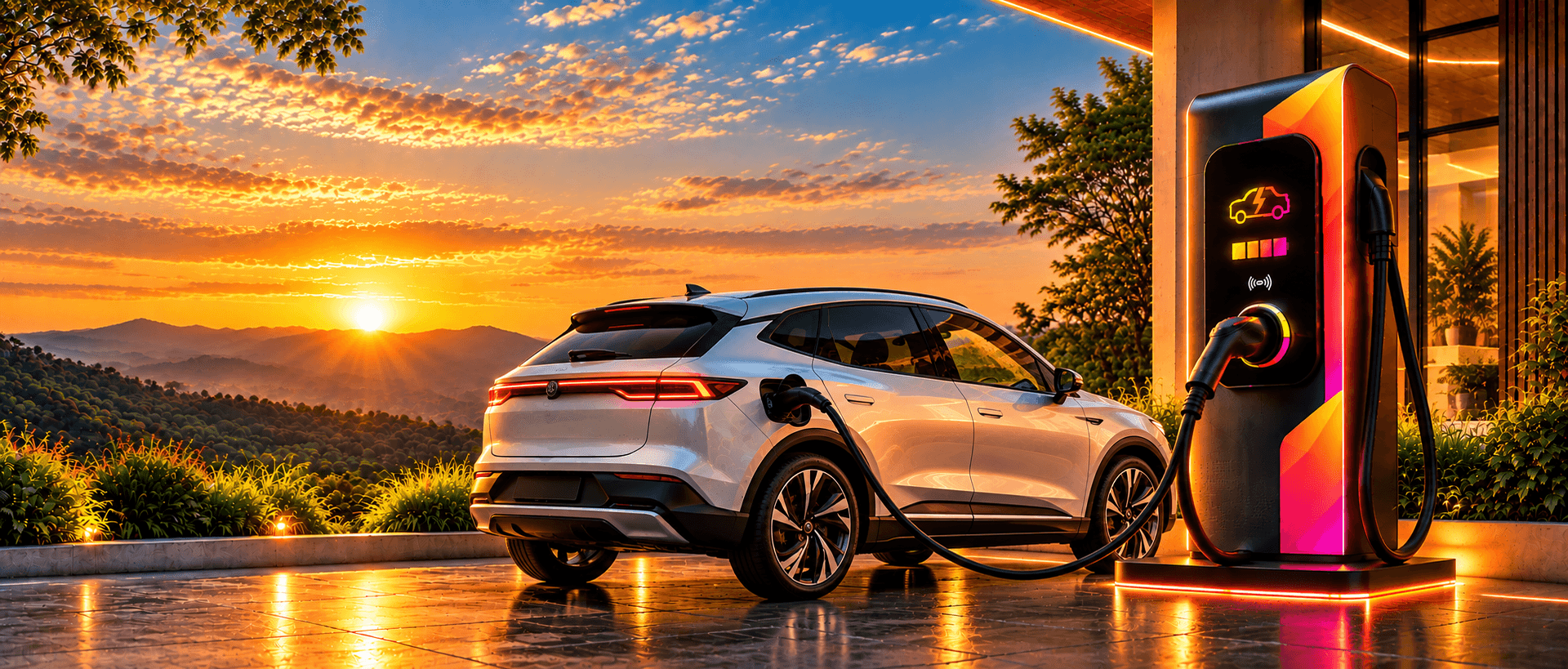
Enjoy energy you control
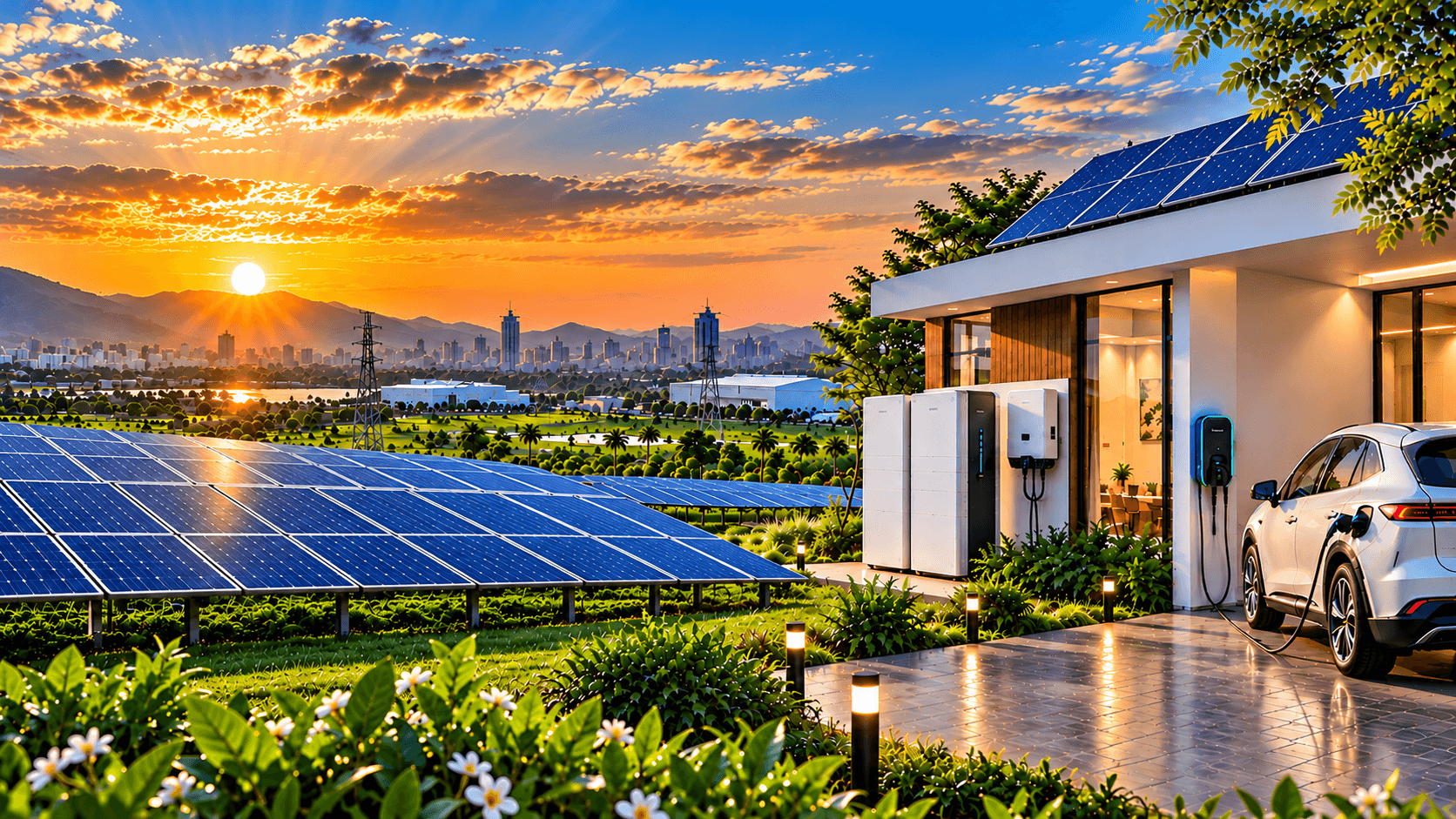
Austra designs solar, storage and charging as one system, so Indian homes, campuses and grids can run on sunshine they control.
Austra Energy designs, builds and operates integrated clean-energy systems for Indian homes, businesses and the grid. We measure the work in megawatts, and in the carbon, diesel and outages those megawatts replace.
Austra combines solar power, energy storage and bioenergy to create reliable clean electricity for homes, businesses, farms and communities day and night.
We transform organic waste and agricultural residues into renewable energy and valuable bio-resources, reducing waste, emissions and dependence on fossil fuels.
Austra brings cleaner energy and circular solutions to communities supporting farmers, creating local opportunities and helping homes, businesses and essential services stay powered.
Waste-to-energy, in the form Austra specifies, starts with organic material. When it rots without air, microbes release a gas rich in methane. A plant collects that gas, strips out the impurities, and uses the result as a fuel, for electricity, heat, or a grid-quality stream that can sit beside solar and batteries. The leftover digestate is a soil product, not a second dump. It is a natural cycle, engineered so cities and farms stop treating wet waste as something to burn at the fence line.
Ask about a waste-to-energy blockWaste that is burned or buried is still energy, just spent in the wrong place.
India’s evening grid still leans on diesel and coal-peakers. Organic waste still goes to landfills and open fires. Pairing solar-plus-storage with captured biogas gives a site two clean sources that can share one dispatch brain: sunshine when it is abundant, waste-gas when the dump would otherwise leak methane, and batteries when neither is firing. The climate case is the same as the bill case, displace fossil fuel, stop avoidable burning, and keep power on after sunset.
A solar-plus-storage system is a complete energy plant at the scale of a roof, a campus or a region. Photovoltaic modules convert sunlight into electricity. Power-conversion equipment conditions that energy for appliances, machines or the grid. Batteries hold surplus energy for evenings, outages and peak-tariff windows. Software decides when to generate, store, export or charge, so the system works as one machine, not a pile of parts.
See how it is appliedStorage turns India’s sunshine into power that is still there after sunset.
India has extraordinary solar resource and a grid that still strains at dusk. Pairing generation with storage lets households cut bills and ride through outages. It lets factories shave demand charges and hedge tariff hikes. It lets utilities firm renewable plants instead of curtailing them. And it lets electric vehicles charge from the same array that cools the building. Solar without storage is a daytime asset. Solar with storage is an energy system.
Every Austra project follows the same loop: capture sunlight, convert it, store what is not used, dispatch it when it is worth most, and keep the plant visible after commissioning. The uniqueness is in controlling those steps as one system, especially in the first hours of a tariff window or an outage, when the wrong decision wastes the resource.
01
N-type modules capture high-heat and low-light hours across Indian climates.
02
Power-conversion equipment delivers grid-quality AC, backup power and storage conversion in one stack.
03
LFP batteries hold surplus energy for evening peaks, outages and tariff windows.
04
The Austra platform times self-use, export, peak-shave and charging automatically.
05
Solar-linked EV chargers refill cars and fleets from the same array and battery.
06
Cloud operations watch health, firmware and performance so the plant stays bankable.
Batteries, modules, chargers and software are designed to speak the same language, so the system performs like a single machine.
Modules
N-type TOPCon bifacial modules tuned for high heat, dust and the long shoulder hours of the Indian solar day.
Batteries
A wall-mounted LFP solar battery designed to store surplus generation and deliver reliable backup. Reliable backup power, cleaner energy usage and whole-home or business coverage in a single compact unit.
EV Chargers
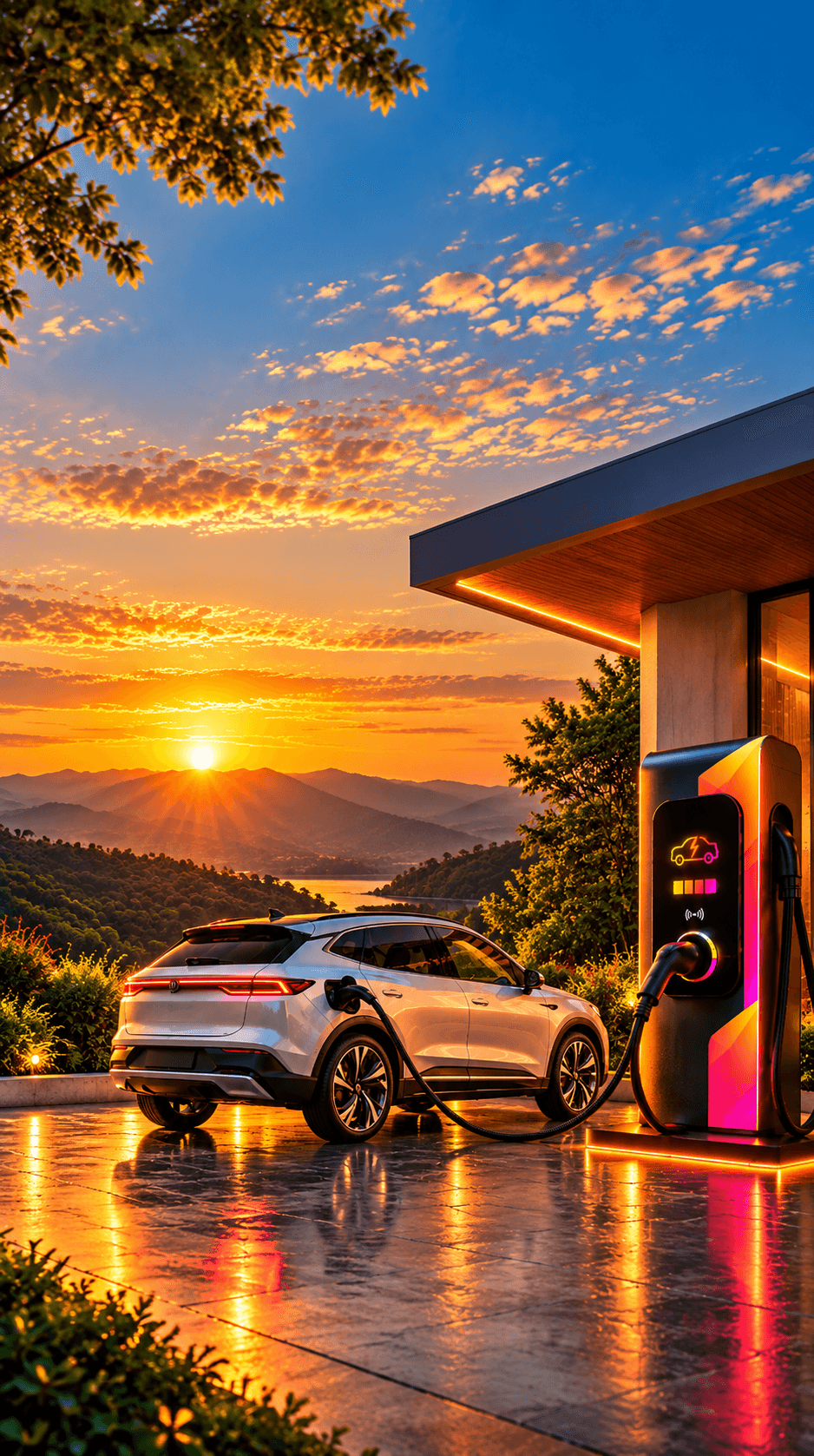
A compact DC fast charger with dynamic load balancing, so fleets charge from solar first and the grid only when needed.
Bioenergy
An integrated anaerobic digestion and biogas plant that turns organic waste into clean, dispatchable energy. Paired with solar and storage, it forms a fully circular energy block for farms, municipalities and industrial sites.
Energy services
Power Your Business. Without the Upfront Investment. We design, finance, install and manage smarter energy solutions including solar, battery storage and energy management, so your business can enjoy lower energy costs, greater energy resilience and a cleaner future.
Energy management
See Your Energy. Control Your Costs. Real-time energy insights that help you monitor consumption, identify inefficiencies and optimise performance across your entire energy system.
From a single roof to a gigawatt plant, Austra sizes generation, storage and charging to the load, the tariff and the grid in front of you.
Sunlight that still works after dark
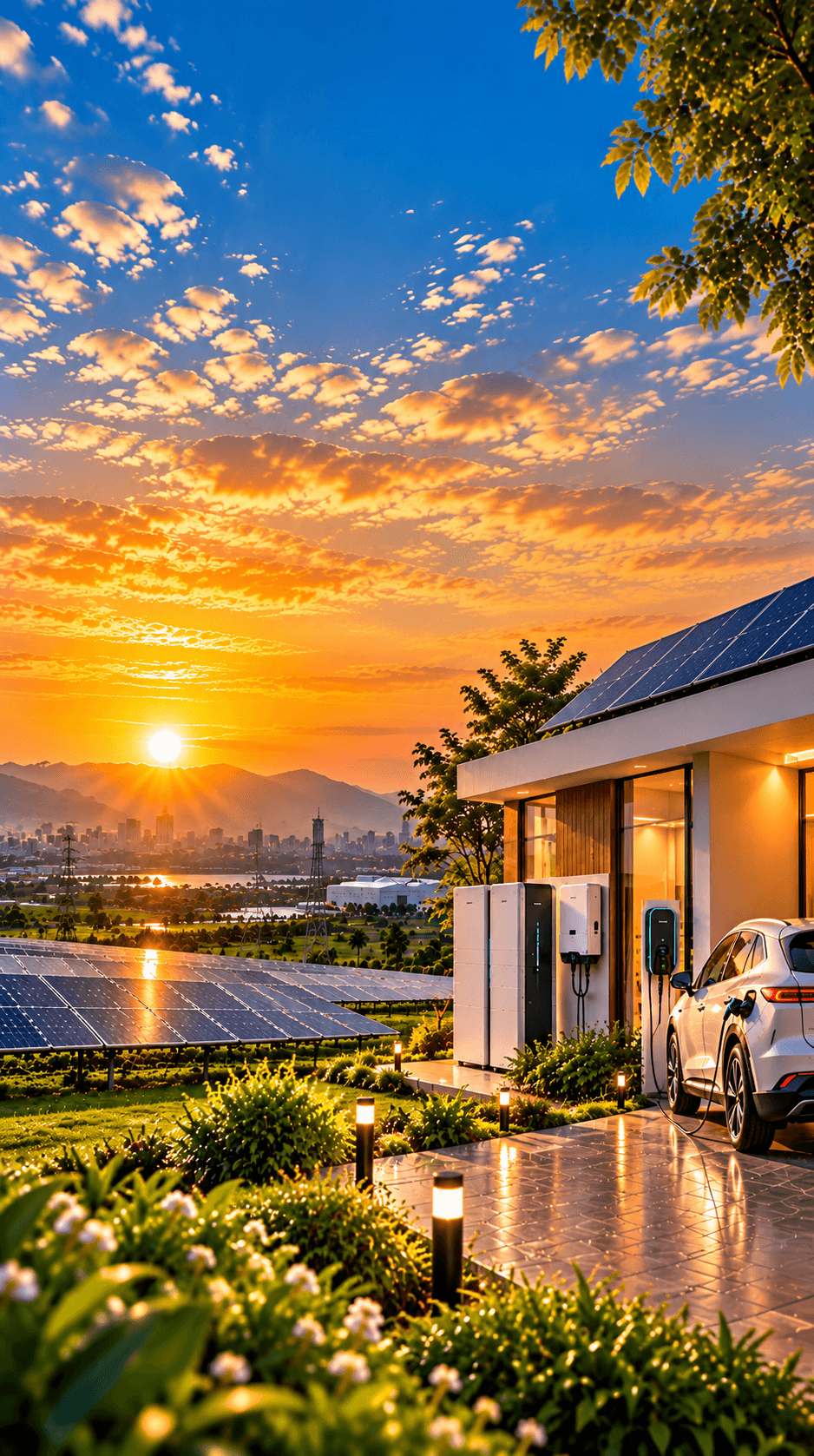
An all-in-one home energy system that combines rooftop solar, storage and optional EV charging, so bills fall, lights stay on, and the house runs on sunshine you own.
Cut demand charges, keep production up
Right-sized rooftop, carport and behind-the-meter systems that lower demand charges, hedge tariff hikes and keep production running when the feeder does not.
Firm power for the grid
Bankable solar-plus-storage plants with grid-forming capability, delivering dispatchable clean power, better project returns and operations that stay visible after commissioning.
+0 MW
72% of target
0 MWh
41% charged
+0 GWh
88% committed
0
55% on site
0 MW
33% of peak
0 k
64% of homes
7 February 2025
6 December 2025
29 October 2025
Programme overview
Scheme guidance
1 April 2025
September 2026
September 2026
July 2026
September 2026
6 August 2026
9 August 2026
30 September 2026
August 2026